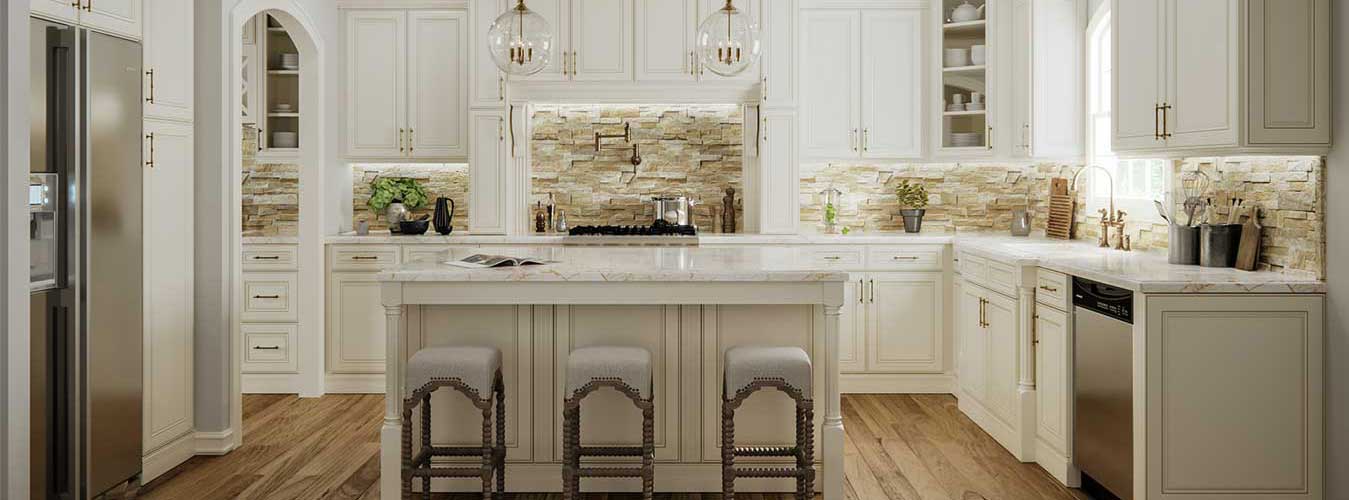
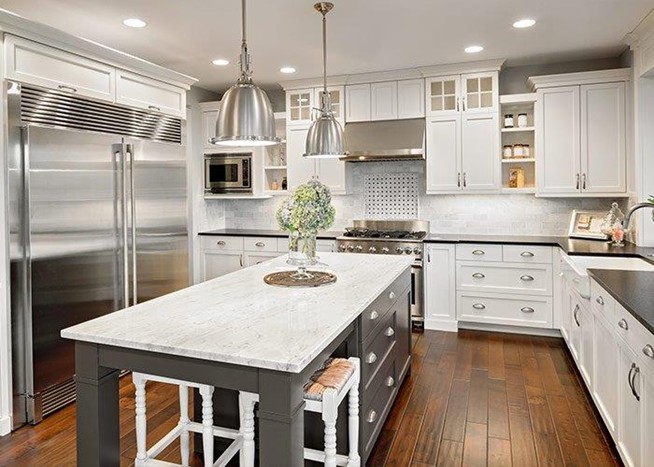
The best kitchen cabinets are those designed for how a kitchen truly operates, not just how it looks. At Crown Custom Cabinetry, that principle guides every cabinet system we build. True performance comes from thoughtful layout, durable materials, precise installation, and well-engineered
Kitchen Wall Cabinet storage that supports daily routines. When cabinetry is designed as an integrated system rather than decorative furniture, kitchens become easier to use, easier to maintain, and more resilient over time.
Modern homeowners searching for the
Best Kitchen Cabinets are rarely looking for trend pieces alone. Most are trying to solve real problems: clutter, wasted wall space, awkward storage zones, or cabinets that deteriorate too quickly. The right cabinetry design addresses these structural issues while still delivering timeless design.
Why the Best Kitchen Cabinets Start With Function
Cabinetry decisions influence how efficiently a kitchen works every single day. Storage location, cabinet depth, door swing, and interior organization determine how quickly someone can cook, clean, and reset a space.
Within our projects at Crown Custom Cabinetry, the conversation rarely begins with colour or finish. It begins with movement. How people move through their kitchens matters more than decorative details.
Key performance factors include:
- Storage accessibility
- Workflow efficiency between cooking zones
- Appliance clearance and integration
- Durability under daily use
- Long term maintenance
When those factors are addressed early, cabinetry stops feeling like furniture attached to walls. It becomes part of the architecture of the kitchen itself.
Rethinking the Role of the Kitchen Wall Cabinet
The traditional
Kitchen Wall Cabinet was designed primarily to provide vertical storage above countertops. That function still matters, but modern kitchen design has expanded the role of upper cabinetry significantly.
Today, wall cabinets often support:
- Appliance garages
- Integrated lighting systems
- Hidden charging stations
- Pantry extensions
- Display shelving
When planned correctly, wall cabinets solve one of the most common kitchen design problems: inefficient use of vertical space.
At Crown Custom Cabinetry, wall cabinets are frequently designed with varying depths and internal divisions. This prevents the common issue where deep shelves become clutter zones where items disappear behind each other.
Instead of large hollow boxes, the best systems function more like organised compartments.
Structural Elements That Separate Premium Cabinets From Standard Ones
Many cabinets appear similar on the surface. Structural quality reveals itself only after years of use.
Cabinet performance depends heavily on construction details that are often invisible once installation is complete.
Important structural indicators include:
| Feature |
Why It Matters |
| Cabinet box thickness |
Improves long term structural stability |
| Joinery methods |
Strong joints prevent cabinet shifting |
| Hardware quality |
Hinges and slides determine durability |
| Wall anchoring systems |
Prevent sagging and misalignment |
| Moisture resistance |
Essential for kitchens with steam and temperature shifts |
In Canadian homes, especially in climates with seasonal humidity swings, material stability becomes particularly important. Cabinets that expand or contract excessively often develop alignment problems within a few years.
Careful engineering prevents those failures.
Layout Intelligence: Designing Cabinets Around Real Life
A common misconception is that kitchen cabinets should simply follow the layout of the room. In reality, cabinetry should shape the functionality of the space.
Professional cabinet design often begins with workflow analysis.
Three core zones typically drive layout decisions:
- Preparation zone – Countertop space with nearby tools and ingredients.
- Cooking zone – Stove, ventilation, and heat resistant storage.
- Cleaning zone – Sink, dish storage, and waste management.
When cabinetry supports these zones correctly, everyday kitchen tasks require fewer movements. The kitchen becomes calmer and more intuitive.
Within our work at Crown Custom Cabinetry, we often find that small layout adjustments dramatically improve usability. A few inches of cabinet relocation can eliminate awkward movement patterns that homeowners tolerate for years.
Material and Construction Standards That Matter Long Term
Durability is one of the most overlooked factors when evaluating the
Best Kitchen Cabinets.
Cabinet doors and finishes receive most of the visual attention, but interior materials often determine lifespan.
High performing cabinet systems generally include:
- Moisture-resistant cabinet boxes
- Stable wood or engineered panels
- Precision hardware rated for heavy use
- Professional finishing processes
- Reinforced shelving for heavier loads
Quality cabinetry is designed for decades of use, not a single renovation cycle.
At Crown Custom Cabinetry, durability is viewed as a design principle rather than a manufacturing afterthought.
Trends Shaping Modern Cabinetry Design
Kitchen design evolves continuously, but several trends have gained traction among homeowners looking for both performance and visual refinement.
1. Mixed Cabinet Depths
Varying cabinet depths improves accessibility and reduces visual heaviness in upper cabinetry.
2. Hybrid Storage Systems
Open shelving combined with closed cabinets allows for both display and concealed storage.
3. Architectural Integration
Cabinets increasingly follow architectural lines of the home rather than sitting independently.
4. Colour Exploration
Neutral tones still dominate kitchens, but selective colour accents within cabinetry are becoming more common.
5. Smart Interior Organization
Drawer systems, adjustable compartments, and modular inserts allow storage to evolve as needs change.
These trends share one common theme. Cabinets are becoming more intelligent systems rather than static boxes.
Common Misconceptions About Kitchen Cabinet Quality
Many homeowners researching cabinetry encounter conflicting advice. A few misconceptions appear repeatedly.
Myth: Cabinet quality is determined mainly by door style.
Reality: Internal construction and installation determine longevity.
Myth: Bigger cabinets always mean better storage.
Reality: Oversized cabinets often create inaccessible clutter zones.
Myth: Upper cabinets are becoming obsolete.
Reality: Thoughtfully designed
Kitchen Wall Cabinet systems remain one of the most efficient storage solutions in modern kitchens.
A clear understanding helps homeowners invest wisely.
Rewind
abinetry is one of the most influential design decisions in a kitchen. When executed well, it quietly supports daily routines for decades.
At
Crown Custom Cabinetry, the goal has always been to design storage systems that balance durability, spatial intelligence, and timeless aesthetics. The
Best Kitchen Cabinets are not defined by trends or surface finishes alone. They are defined by how effectively they support everyday life.
When cabinetry is designed as an integrated system rather than a decorative feature, kitchens perform better, age more gracefully, and remain enjoyable to use long after the renovation is complete.
FAQs
-
What defines the best kitchen cabinets for a modern home?
Best Kitchen Cabinets combine structural durability, intelligent storage design, and long term material stability. Cabinets should support daily workflow, maximize accessible storage, and withstand humidity and temperature changes common in Canadian homes. Construction quality and installation precision are often more important than visual style.
-
Are kitchen wall cabinets still relevant in modern kitchen design?
Yes. A well designed Kitchen Wall Cabinet system remains one of the most efficient ways to maximise vertical storage. Modern wall cabinets often include lighting, appliance storage, and modular interiors, allowing them to serve both functional and aesthetic roles in contemporary kitchens.
-
How deep should kitchen wall cabinets be?
Standard Kitchen Wall Cabinet depth ranges between 12 and 15 inches, but custom designs may vary depending on storage needs and kitchen layout. Shallower cabinets improve accessibility, while deeper units can support pantry storage or integrated appliances.
-
What materials make kitchen cabinets last longer?
High quality cabinet boxes typically use moisture resistant plywood or engineered panels. Durable finishes, reinforced shelving, and professional grade hardware significantly extend lifespan. These construction standards are commonly used in the Best Kitchen Cabinets designed for long term performance.
-
How long should quality kitchen cabinets last?
Well built cabinets installed correctly can last 20 to 30 years or more. Longevity depends on materials, construction methods, and maintenance. High quality cabinetry from experienced builders like Crown Custom Cabinetry is designed to perform reliably through multiple kitchen design cycles.
-
Is custom cabinetry worth the investment?
Custom cabinets allow precise layout planning, better use of space, and higher construction standards. For homeowners seeking the Best Kitchen Cabinets, custom design often delivers better long term value compared to mass produced options that may require earlier replacement.