Kitchens are no longer judged by how they photograph on day one. They are evaluated by how they function over years of daily use, shifting routines, and evolving expectations. What defines
modern kitchen cabinetry today is not minimalism alone, but how intelligently it integrates storage, adapts to behaviour, and maintains structural integrity. In the context of kitchen renovation in Calgary, this shift is even more pronounced. Climate, lifestyle, and long-term value all demand a more disciplined approach to cabinetry design.
Moving Beyond Trend-Led Cabinetry
Design cycles move quickly. What feels current today often feels dated within a few years. Yet cabinetry is not replaced at the same pace.
Many homeowners begin with inspiration boards. Bold colours, open shelving, or statement finishes. These ideas have merit, but they often lack operational context.
From our experience at Crown Custom Cabinetry, the kitchens that age best are not trend-driven. They are structured around use. Design becomes a layer, not the foundation.
This distinction matters. A kitchen designed for longevity absorbs trends without being defined by them.
The Real Role of Cabinet Design in Daily Living
Cabinetry shapes how a kitchen functions in ways that are rarely discussed upfront. It determines how far you reach, how often you bend, and how easily you find what you need.
Small inefficiencies accumulate. A poorly placed drawer adds seconds to a task. Over time, those seconds compound into frustration.
We approach cabinetry as a system of movement. Where items are stored, how frequently they are accessed, and how easily they can be retrieved all influence the overall experience.
Professionals often notice subtle details that others overlook. A well-balanced drawer or a properly aligned door signals long-term stability more than any finish ever could.
What Current Design Directions Actually Get Right
Recent design thinking has shifted in a meaningful way. It is no longer just about appearance. It is about how cabinetry supports real life.
Several ideas stand out because they combine form with function:
- Blending open and closed storage
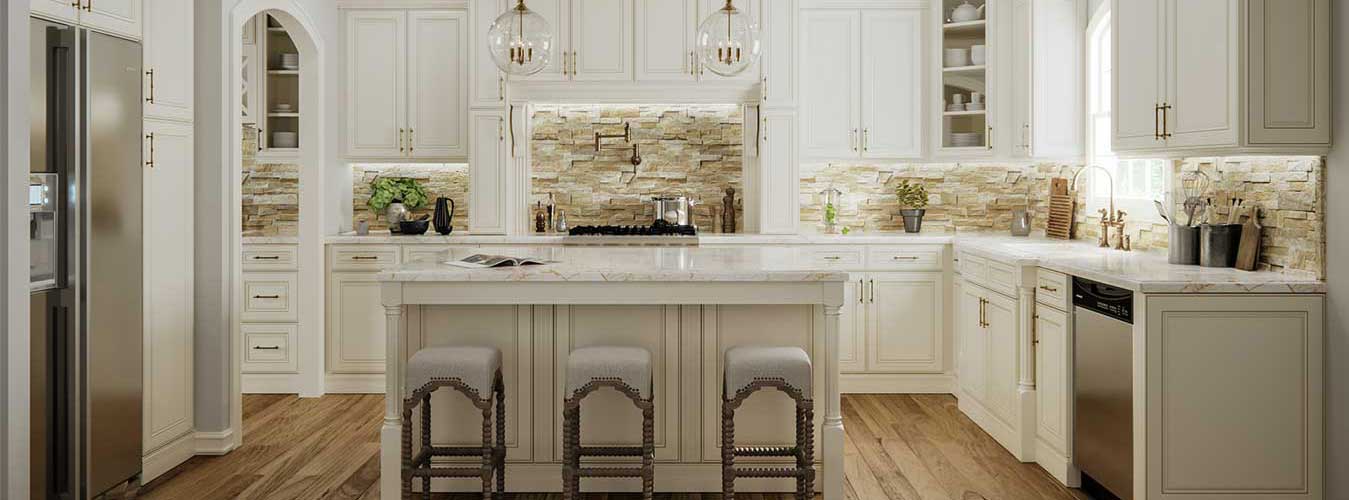
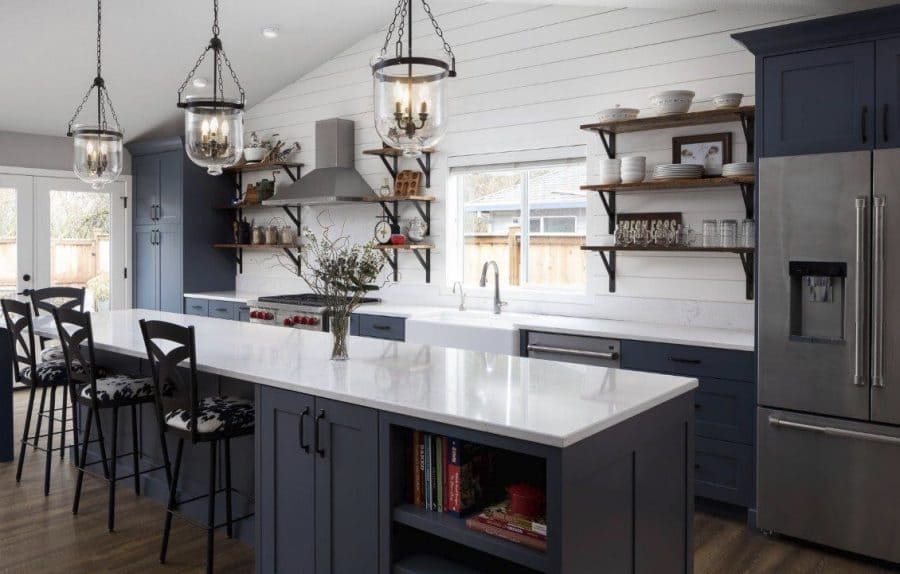
Display cabinets introduce lightness, while concealed units maintain order. This balance reduces visual clutter without sacrificing usability.
- Deep lower storage for modern living
Larger cookware and appliances require more flexible storage. Deep drawers are replacing traditional shelving for this reason.
- Cabinetry that mirrors architecture
Arched details and custom shapes reflect the structure of the home, creating cohesion rather than contrast.
- Selective use of colour
Muted greens, warm wood tones, and darker lower cabinets add depth without overwhelming the space.
Viewed from a broader perspective, these ideas succeed because they align with behaviour. They respond to how kitchens are actually used.
A Practical Framework for Smarter Cabinet Decisions
Good cabinetry decisions rarely come from instinct alone. They benefit from structure.
We guide clients through a simple but effective framework:
- Define Usage Zones
Map out where preparation, cooking, and cleaning occur. Storage should support these zones directly.
- Prioritise Accessibility
Daily items should require minimal effort to reach. Upper cabinets are best reserved for less frequent use.
- Balance Density and Clarity
More storage is not always better. Overfilled cabinets reduce usability and increase visual stress.
- Plan for Change
Households evolve. Cabinet interiors should allow for reconfiguration without structural changes.
Many assume higher cost guarantees better results. In practice, clarity of design has a far greater impact.
Material Choices That Respect Calgary Conditions
Calgary’s environment introduces quiet but important constraints. Temperature swings and dry air affect how materials behave over time.
Cabinetry that performs well is built with this in mind. Engineered materials, stable finishes, and precise joinery all contribute to long-term alignment.
We have seen kitchens that look flawless at installation begin to shift within a single season. Doors misalign. Surfaces lose consistency.
These outcomes are avoidable. Material selection is not just about appearance. It is about resilience.
Experiences like this reveal a broader industry pattern. Performance is often assumed, not verified.
Where We Work and Why Context Matters
Cabinetry does not exist in isolation. It responds to the architecture, scale, and lifestyle of each location.
At Crown Custom Cabinetry, our work spans:
Each area brings different expectations. Urban homes often demand efficiency. Larger properties require proportion and balance. Lake communities tend to prioritise openness and light.
Understanding these differences allows us to design cabinetry that feels appropriate, not imposed.
A Subtle Shift Toward Kitchens That Adapt
A quieter shift is underway. Kitchens are being designed to evolve rather than remain fixed.
We are seeing early signs of:
- Adjustable internal storage systems
- Flexible layouts that accommodate new appliances
- Cabinet structures that support long-term updates
This is not about visible innovation. It is about reducing the need for future disruption.
Over time, adaptability becomes a defining characteristic of well-designed kitchens.
A Closing Perspective on Kitchens That Last
Kitchens that endure are rarely the ones that chase attention. They are the ones that quietly support daily life without compromise.
In kitchen renovation in Calgary, the most effective approach is measured. It considers climate, behaviour, and long-term use in equal measure.
The role of modern kitchen cabinetry is not to impress in the moment. It is to remain reliable, intuitive, and relevant over time.
That is what ultimately defines quality. Not how a kitchen looks when completed, but how it continues to perform long after.